

Ask any plumber which fixture keeps them busiest and you will get the same answer almost every time. It is not water heaters, it is not leaky faucets, it is the toilet, and it is not particularly close.
There is a reason for that, and it has less to do with bad luck and more to do with how toilets are built, how they age, and what they are actually connected to further down the line. Once you understand why toilets fail more often than anything else in the house, the pattern starts to make a lot more sense.
Toilets Are the Widest Opening Into a Narrower System
A toilet drain typically connects to a line that is only three or four inches wide, which is already the narrowest point most waste has to pass through on its way out of the house. Everything from paper to hygiene products to the occasional toy gets funnelled through that same opening, so it makes sense that it clogs more often than a sink or shower drain handling mostly water and soap.
Older Fixtures Were Not Built for Modern Habits
Many older Toronto homes built before the 1960s still have original or early replacement toilets that were never designed around today’s “flushable” wipes, thicker paper products, or low flow tank designs that use less water per flush. Less water moving through the same pipe means less force to carry waste all the way to the main line, which is part of why older, low flow toilets installed in the early days of water conservation mandates tend to clog more than modern, better engineered models.
Sometimes the Toilet Is Just the Messenger
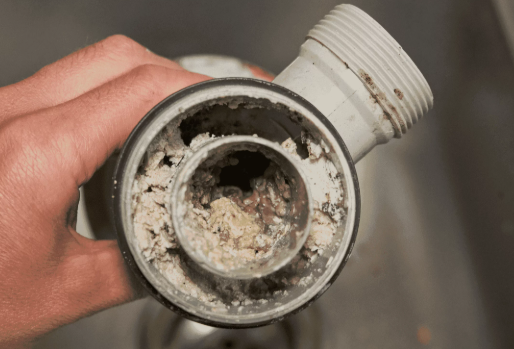
Here is the part most homeowners do not expect. A toilet is usually the lowest point of entry into the main sewer line, which means if there is a blockage further down, whether from tree roots working their way into the pipe, a collapsed section of old pipe, or general buildup, the toilet is often the first fixture to show it. A clog that comes back again and again despite clearing it yourself is frequently not a toilet problem at all, it is a main line problem using the toilet as the exit point.
Telling the Difference Between a Simple Clog and a Bigger Issue
A one time clog after unusually heavy use is normal and usually clears with a plunger. What is not normal, and worth paying attention to, is any of the following:
- The same toilet clogs again within days or weeks of being cleared
- Water backs up into the tub or shower when you flush
- More than one fixture acts up around the same time
- Gurgling sounds come from drains elsewhere in the house after a flush
Those patterns point toward the main line rather than the toilet itself, and no amount of plunging will fix a problem that is not actually in the toilet.
Getting It Right the First Time
Our technicians see enough toilet calls across Toronto to know the difference between a fixture issue and a sewer line issue within minutes of asking the right questions. We show up fast, usually the same day, with upfront pricing confirmed before any work starts, and every repair carries our guaranteed workmanship, whether it turns out to be a simple fixture fix or something further down the line.
If your toilet keeps clogging no matter what you try, our plumbing services team can figure out whether it is the fixture or something bigger, and fix it properly either way. For a look at how our drain and sewer team handles recurring backups tied to the main line, our approach stays the same across every job: diagnose first, quote clearly, then fix it right.